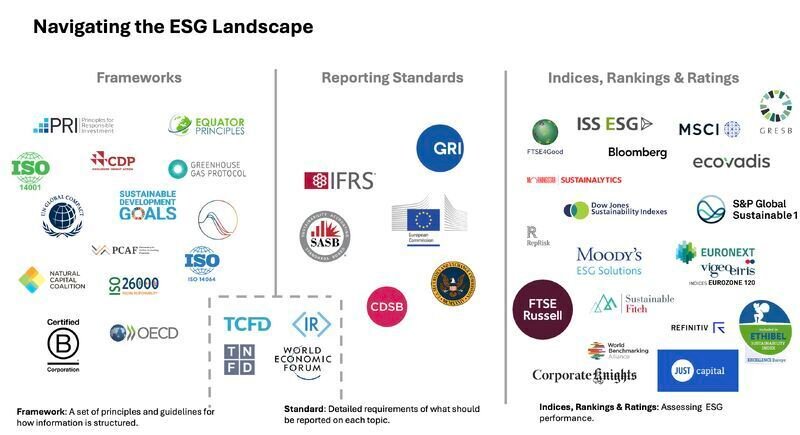
Let’s be honest: the world of sustainability certifications can feel like alphabet soup.
Between index ratings, ISO standards, carbon pledges, and a growing army of eco-labels, it’s hard to know which ones genuinely move the needle — and which ones investors quietly ignore.
Here’s the thing. Investors in 2026 are more sophisticated than ever. They’ve seen the greenwashing scandals.
They’ve watched companies slap a feel-good badge on their homepage without changing a single business practice. And they’re done with it.
What they want now is proof. Hard, verifiable, standards-backed proof that a company takes sustainability seriously — not as a marketing exercise, but as a financial strategy.
So if you’re a business leader wondering which sustainability certifications actually matter to the people writing the checks, you’re in the right place.
Understanding various sustainability certifications is crucial for businesses aiming to attract investors.
This guide breaks down the certifications that carry real weight in 2026, why investors care about each one, and how to get started without drowning in paperwork.
Why Investors Care About Sustainability Certifications More Than Ever
It’s tempting to think that sustainability certifications are just about optics. But in 2026, they’re about something much bigger: risk management.
Institutional investors now routinely screen companies for ESG compliance before allocating capital.
According to industry projections, ESG-mandated assets are expected to surpass $35 trillion globally. That’s not a niche market — that’s the mainstream.
Meanwhile, the regulatory landscape has shifted dramatically.
The EU’s Corporate Sustainability Reporting Directive (CSRD) now requires detailed sustainability disclosures from tens of thousands of companies.
The International Sustainability Standards Board (ISSB) has been adopted or is being implemented in over 35 jurisdictions.
And in the U.S., California’s SB 253 is pushing Scope 1 and 2 emissions reporting requirements forward even as federal rules remain in limbo.
For investors, a credible sustainability certification signals that a company has already done the hard work of measuring, managing, and reporting its impacts. It reduces due diligence costs, lowers perceived risk, and — perhaps most importantly — shows that leadership is thinking long-term.
The Certifications That Actually Move the Needle With Investors
Not all certifications are created equal. Some are genuinely rigorous. Others are, frankly, participation trophies. Here’s where the smart money is paying attention in 2026.
ISO 14001 is a vital component of the sustainability certifications landscape, ensuring companies adhere to environmental standards.
1. B Corp Certification (Newly Overhauled for 2026)
B Corp has long been the gold standard for purpose-driven businesses. But in 2025, B Lab rolled out the most significant overhaul in its nearly two-decade history — and the new standards took effect for all new certifications in 2026.
What changed? The old points-based system, which critics argued allowed companies to offset poor performance in one area by overachieving in another, has been replaced entirely.
Instead, companies now face mandatory baseline requirements across seven impact areas, including a new Climate Action Pillar that requires every certified company to measure and publicly disclose its greenhouse gas emissions.
For larger companies (those with more than 250 employees or significant revenue), the bar is even higher: they must set validated science-based targets aligned with the Science Based Targets initiative (SBTi).
Why investors care: The new B Corp standards align with the EU’s Empowering Consumers for the Green Transition (ECGT) directive, which cracks down on misleading sustainability claims.
For investors, this means that a 2026-vintage B Corp certification carries far more weight than one earned under the old system.
It’s third-party verified, it’s audited against ISO 17021-1 requirements, and it demands continuous improvement over three- and five-year cycles.
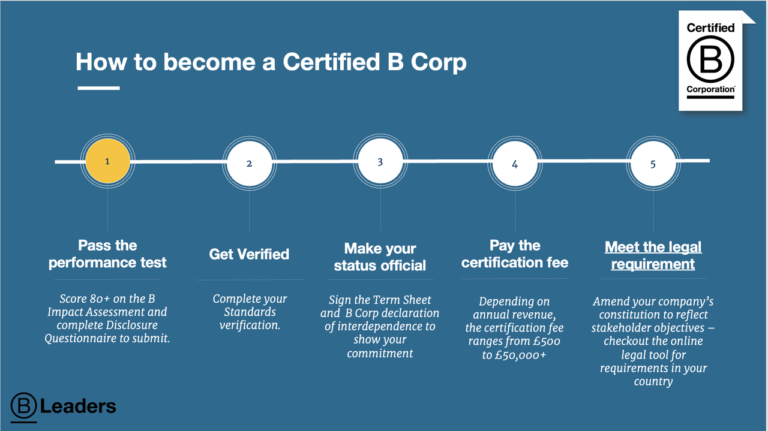
If you’re considering B Corp certification, the process now includes a self-assessment through B Lab’s updated B Impact app, followed by a formal verification.
Companies preparing for certification often benefit from working with an experienced ESG consulting firm to conduct a readiness assessment and gap analysis before starting the formal process.
2. Science Based Targets Initiative (SBTi) Validation
If there’s one credential that makes institutional investors sit up and take notice in 2026, it’s SBTi validation.
The Science Based Targets initiative provides a framework for companies to set emissions reduction targets that are consistent with the level of decarbonization required to keep global warming below 1.5°C.
SBTi isn’t a certification in the traditional sense — it’s a validation process.
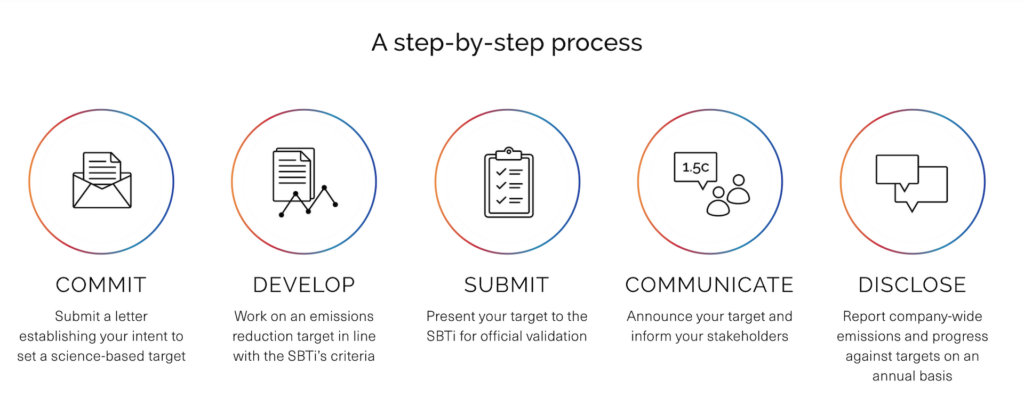
A company commits to targets, develops a plan, submits it for expert review, and, if approved, earns public validation.
The process is rigorous, and the SBTi has been tightening its parameters, including expanding the definition of Scope 3 emissions to capture a broader range of impacts.
Why investors care: Nearly every major ESG reporting framework — CSRD, ISSB, TCFD, and now B Corp — references or integrates SBTi methodology.
Investors see SBTi validation as a credible signal that a company has moved beyond aspirational pledges and into measurable, science-aligned action.
It also provides a forward-looking transition plan, which is increasingly what institutional asset managers demand.
Getting validated involves significant data collection, especially around Scope 3 emissions across your value chain.
Many companies find that investing in dedicated carbon accounting software helps streamline the data-gathering process and maintain audit-ready records throughout the year.
3. ISO 14001 Environmental Management System Certification and Its Importance in Sustainability Certifications
ISO 14001 doesn’t grab headlines the way B Corp does, but it’s one of the most widely recognized and respected certifications in the sustainability space.
It provides a systematic framework for managing environmental responsibilities, reducing waste, and improving resource efficiency.
What makes ISO 14001 particularly appealing to investors is its universality. It’s recognized in virtually every country, every industry, and every supply chain.
If your company operates internationally or sells into enterprise supply chains, ISO 14001 is often a table-stakes requirement.
Why investors care: ISO 14001 demonstrates operational discipline. It shows that environmental management isn’t an afterthought — it’s embedded in the company’s management system.
For investors evaluating operational risk, this matters. It also signals supply chain readiness, since many large procurement programs now require ISO 14001 as a minimum standard for suppliers.
The certification process involves an internal audit, a gap analysis, implementation of any necessary changes, and then a third-party audit by an accredited certification body. Companies typically budget 6 to 12 months for the full cycle.
Enrolling your team in a recognized environmental management training program can significantly shorten the learning curve and help avoid common pitfalls during the audit process.
4. CSRD-Aligned Reporting (EU Corporate Sustainability Reporting Directive)
This one isn’t a voluntary certification — it’s mandatory for companies in scope. But even if your company isn’t directly required to report under CSRD, choosing to align your disclosures with the European Sustainability Reporting Standards (ESRS) sends a powerful signal to investors.
The CSRD framework is built on the principle of “double materiality,” meaning companies must report both how sustainability issues affect their financial performance (outside-in) and how their operations affect the environment and society (inside-out).
The EU’s Omnibus Simplification Package, finalized in late 2025, reduced the number of mandatory data points by around 50–70%, making compliance more practical — but the standards remain the most comprehensive in the world.
Why investors care: For institutional investors with European exposure (which, in 2026, is most of them), CSRD-aligned reporting is the new baseline for credibility.
Adopting sustainability certifications can enhance a company’s reputation and demonstrate commitment to ecological responsibility.
Moreover, sustainability certifications help companies not only comply with regulations but also appeal to conscious consumers.
It requires external assurance, forward-looking targets, and granular data on everything from greenhouse gas emissions to workforce diversity.
Voluntarily aligning with CSRD — even if you’re not yet in scope — tells investors you’re building the data infrastructure for the future.
Companies that proactively adopt CSRD-aligned reporting often use specialized ESG reporting platforms to automate data collection across multiple standards and generate audit-ready disclosures with less manual effort.
5. ISSB Standards Alignment (IFRS S1 and S2)
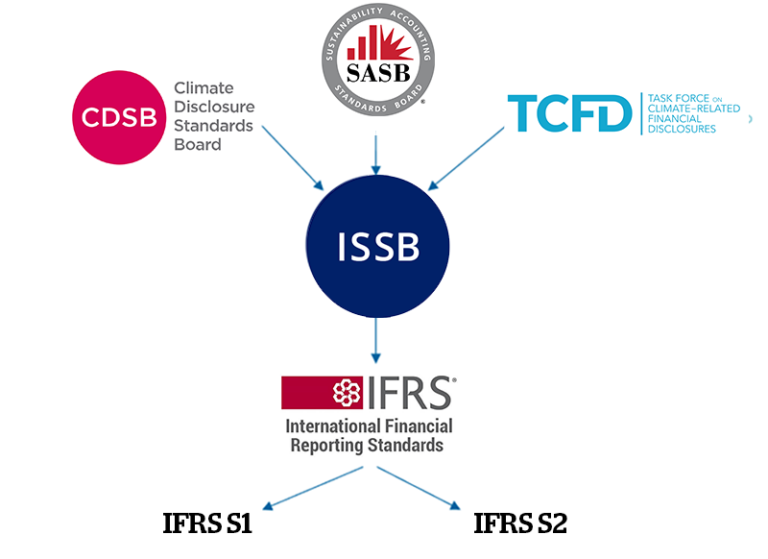
The ISSB standards — IFRS S1 (general sustainability disclosures) and IFRS S2 (climate-related disclosures) — have rapidly become the global baseline for investor-focused sustainability reporting.
As of early 2026, more than 35 jurisdictions have adopted or are finalizing ISSB-aligned frameworks, covering well over half of global GDP.
IFRS S2 builds directly on the TCFD recommendations (Task Force on Climate-related Financial Disclosures), effectively replacing that voluntary framework while maintaining methodological continuity.
If your company previously reported under TCFD, the transition to ISSB is relatively straightforward.
In Canada specifically, the CSDS 1 and CSDS 2 standards are now available for voluntary adoption and will likely become mandatory.
Why investors care: ISSB standards speak the language of capital markets. They focus specifically on how sustainability-related risks and opportunities affect a company’s cash flows, access to finance, and cost of capital.
For investors, ISSB alignment means they can compare companies across geographies using a consistent framework — which is exactly what portfolio managers need when making allocation decisions.
6. CDP Disclosure (Formerly the Carbon Disclosure Project)
CDP runs the world’s largest environmental disclosure system. Each year, thousands of companies submit detailed questionnaires on their climate, water, and forest impacts.
CDP then scores each company from A to D-minus, creating a publicly available scorecard that investors actively use in their decision-making.
In 2026, CDP continues to align its questionnaires more closely with ISSB and CSRD standards, reducing duplication for companies that report across multiple frameworks.
A strong CDP score — particularly an A or A-minus — is one of the most visible, investor-facing signals of environmental leadership.
Why investors care: Over 740 institutional investors with more than $142 trillion in assets have asked companies to disclose through CDP.
The scores are public, comparable, and updated annually.
For investors running ESG screens or building thematic portfolios, CDP scores are a quick, reliable filter.
How to Choose the Right Certification for Your Business
With so many options, it’s easy to feel paralyzed. Here’s a practical framework for deciding where to start.
Think about your investor audience first. If your investors are primarily European or institutional, CSRD alignment and ISSB reporting should be priorities.
If you’re a consumer-facing brand looking to signal purpose and integrity, B Corp is hard to beat. If you operate in industrial supply chains, ISO 14001 is probably non-negotiable.
Most companies in 2026 end up needing two or three overlapping frameworks. The good news is that the major standards are converging. B Corp now integrates SBTi and GRI methodology. ISSB incorporates SASB sector-specific metrics.
And the EU Omnibus Package improved interoperability between CSRD and ISSB. So the work you do for one framework frequently carries over to another.
Start with a materiality assessment to identify which ESG issues are most relevant to your business.
Then map those issues to the frameworks your key stakeholders expect.
If you’re doing this for the first time, hiring an experienced sustainability consultant who specializes in certification readiness can save months of trial and error.
Certifications That Investors Are Starting to Question
Not every label carries weight. It’s worth being transparent about the credentials that are losing credibility in the eyes of sophisticated investors.
Self-declared carbon neutrality claims, for example, have come under intense scrutiny.
The EU Green Claims Directive is cracking down on vague or unsubstantiated environmental claims, and many investors now view “carbon neutral” labels with skepticism unless they’re backed by third-party verification and a credible reduction pathway.
Similarly, generic “green” or “eco-friendly” product labels without standardized criteria are increasingly seen as red flags rather than positive signals.
The new wave of anti-greenwashing regulations — in the EU, UK, and increasingly in North America — means that unsubstantiated sustainability claims can now carry legal and financial consequences.
The bottom line: investors in 2026 want standards-backed, independently verified, and continuously improving certifications. Anything less starts to look like a liability rather than an asset.
The Emerging Certifications to Watch
The certification landscape isn’t static. A few newer entrants are gaining traction and could become significant in the coming years.
The Taskforce on Nature-related Financial Disclosures (TNFD) is one to watch closely.
Over 400 organizations are already reporting voluntarily under the TNFD framework, and as biodiversity loss increasingly appears on investor risk dashboards, demand for nature-related credentials is growing.
The GARP Sustainability and Climate Risk (SCR) Certificate is also gaining recognition among financial professionals who need to assess climate-related investment risk.
While it’s aimed at individuals rather than companies, having SCR-certified analysts on staff signals to investors that your team can competently evaluate and communicate climate risks.
And finally, keep an eye on the evolving EU Taxonomy alignment disclosures.
As the taxonomy’s environmental objectives expand beyond climate to include water, biodiversity, circular economy, and pollution prevention, companies that can demonstrate alignment with these criteria will gain a competitive edge in European capital markets.
Practical Steps to Get Certification-Ready in 2026
Ready to get started? Here’s a no-nonsense roadmap.
First, conduct a baseline assessment of your current sustainability performance. Measure your greenhouse gas emissions (Scope 1, 2, and 3), document your environmental management practices, and review your governance structures. You can’t improve what you don’t measure.
In summary, sustainability certifications play a crucial role in shaping a company’s marketability and investor interest.
Second, invest in the right tools. Modern ESG compliance software can automate data collection, flag gaps, and generate reports aligned with multiple frameworks simultaneously. This isn’t a luxury anymore — it’s a necessity for companies managing complex reporting obligations.
Third, build internal capacity. Train your sustainability team on the specific requirements of the certifications you’re targeting. Many accredited institutions now offer online certification prep courses that can bring your team up to speed quickly without pulling them out of their day jobs.
Fourth, engage a qualified third-party auditor early. Understanding what the auditor is looking for — before you submit your application — can prevent costly delays and rework.
Investors are increasingly prioritizing firms with robust sustainability certifications as part of their investment strategy.
And fifth, communicate your progress transparently. Investors don’t expect perfection. They expect honesty, measurable targets, and visible improvement over time. A company that’s halfway through its SBTi validation process but communicating openly about it is often more appealing than one that’s sitting on a pretty logo with no substance behind it.
Final Thoughts: Certification as Strategy, Not Decoration
The sustainability certifications that impress investors in 2026 aren’t the ones that look best on a website banner.
They’re the ones that demonstrate operational rigor, financial materiality, and a genuine commitment to continuous improvement.
B Corp’s new standards are more demanding than ever.
SBTi validation requires real, science-aligned targets. CSRD and ISSB are reshaping the global reporting baseline. And investors are watching closely — not just for the badge, but for the substance behind it.
The companies that will win investor confidence this year are the ones that treat sustainability certification not as a decorative milestone, but as an integral part of their business strategy.
Because in a world where capital increasingly flows toward transparency, credibility, and long-term value creation, the right certification isn’t just nice to have. It’s a competitive advantage.
—
Want to know which sustainability certifications are the best fit for your business? At Sustaenia, we help companies navigate the evolving ESG landscape with clarity and confidence. Get in touch to start the conversation.